
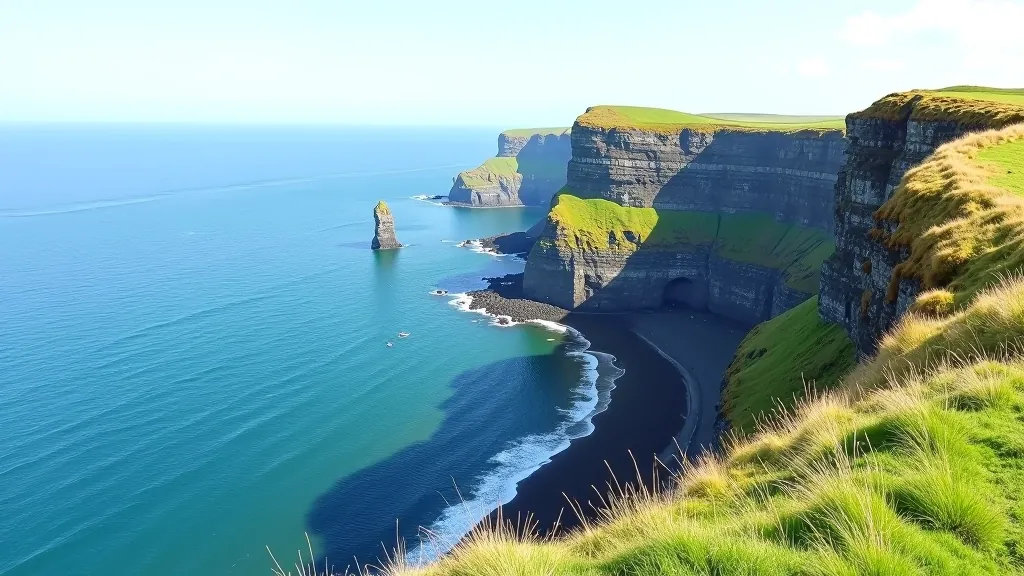
Howth Cliff Path: Dublin's Coastal Gem
A 5-6 km circular walk with panoramic views of Dublin Bay. Mostly well-maintained paths, dramatic cliff scenery, and plenty of wildlife.
Discover one of Europe's most dramatic coastal landscapes — a 14 km clifftop walk with breathtaking views across the Atlantic
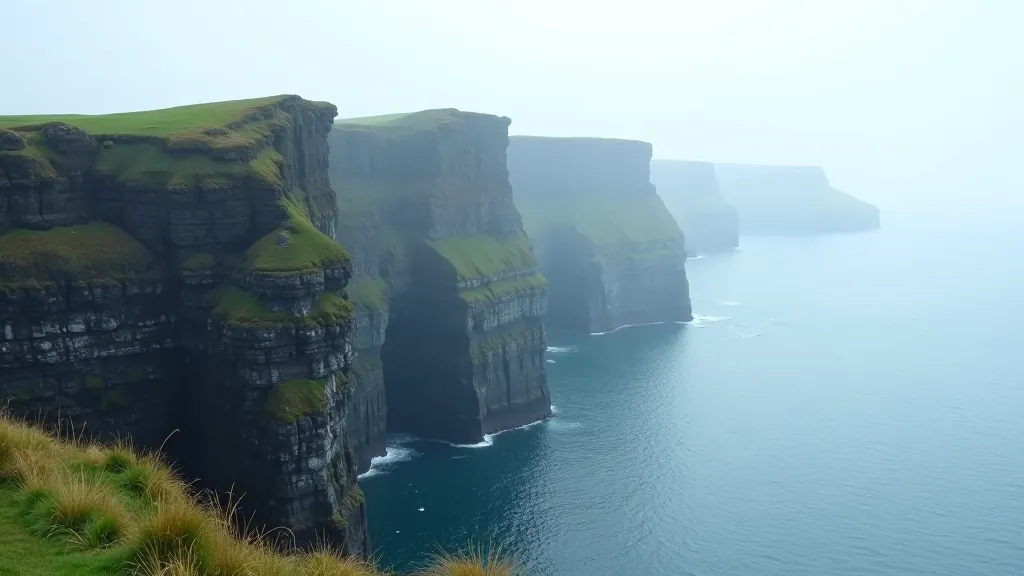

You've probably seen photos. Those sheer drops plunging 700+ feet into churning Atlantic waters. The raw geology visible in horizontal layers of sandstone, shale, and limestone. It's real, and it's even more impressive in person. But here's what makes this trail special for walkers — it's not just about standing at the edge and gasping. The Cliffs of Moher offer something rarer: a chance to experience Ireland's most iconic coastal landscape at your own pace, with routes suited to different abilities.
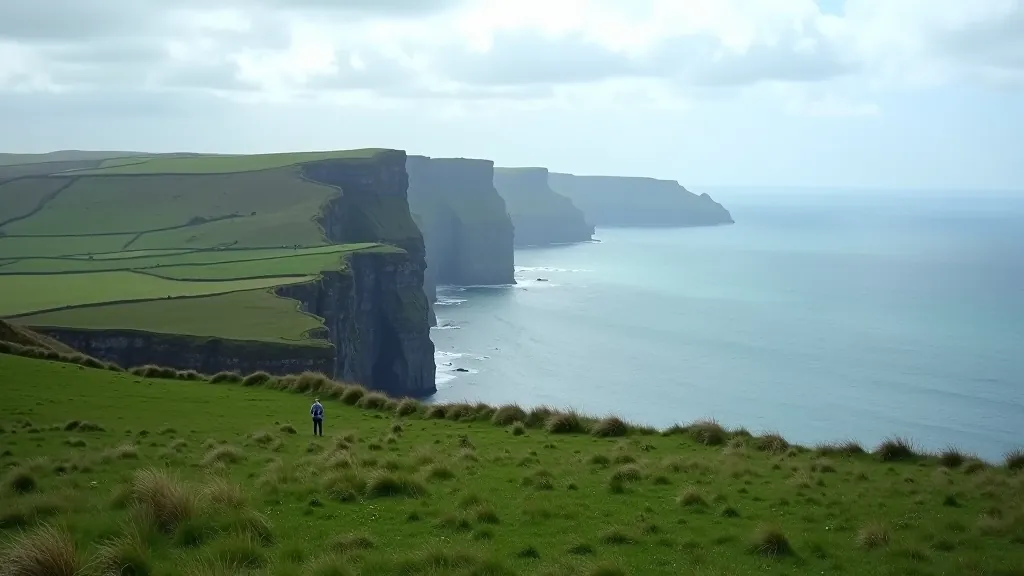
This isn't a quick tourist stop. The full trail stretches 14 kilometers along the clifftop, winding between Doolin village and Liscannor. Most people tackle sections of it — 4 to 8 kilometers is the sweet spot. You'll walk through working farmland, past Stone Age ruins, and along paths worn smooth by centuries of feet. On clear days, the views reach the Aran Islands and Galway Bay. When mist rolls in — and it does, frequently — the landscape transforms into something almost otherworldly.
There's a visitor center at O'Brien's Tower — the round stone tower you'll see from miles away. It's not essential for walking, but they've got facilities, coffee, and a shop. Opening hours are seasonal (winter closes at 4 p.m., summer stays open until 6 p.m.). The center charges admission, but you can walk the cliffs freely without paying.
Best time to visit? May through September for reliable weather. April and October work too, though afternoon rain becomes more likely. Winter is possible but challenging — the paths get slippery, winds exceed 40 mph regularly, and visibility drops fast. If you're walking in autumn or winter, start early and have a backup plan.
Parking's at the visitor center (€3 per hour, €12 per day) or in the nearby villages. There's also a free car park 1.5 km away if you don't mind the extra walk. The trail itself is completely free — no gates, no fees, no permits needed.
The first stretch from the visitor center is busy. Tour groups photograph themselves at the railings, selfie sticks angle toward the drop, and everyone's focused on that one viewpoint. Push past this section — literally, it takes 20 minutes — and you'll find something quieter. The trail narrows, the farmland opens up on your left, and you're suddenly walking where locals walk, not where Instagram photographers gather.
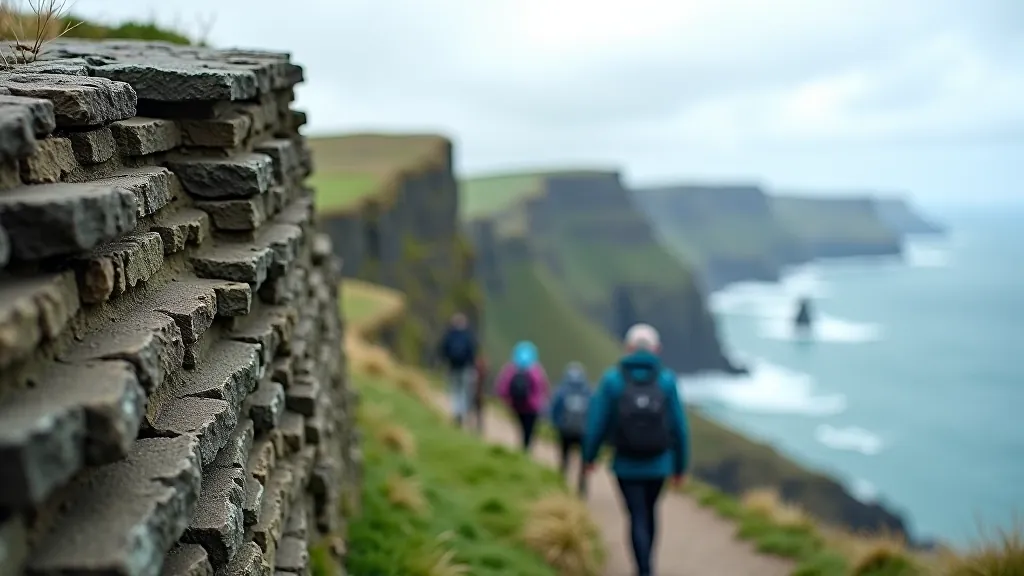
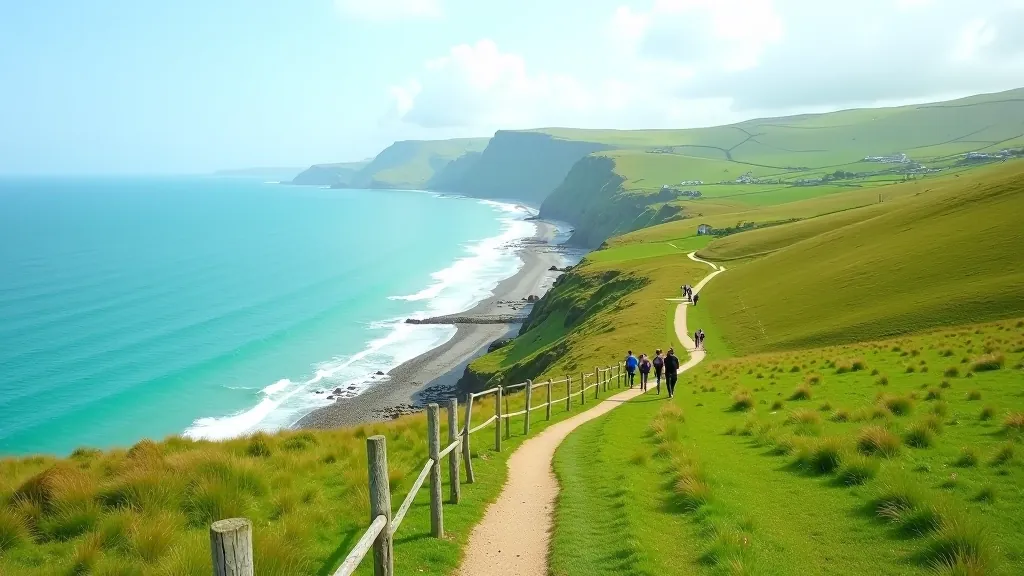
The path undulates constantly. You'll drop into small valleys, cross streams, climb back up. It's not steep, but the repetition builds stamina over a few kilometers. Most of the trail hugs the clifftop, but you're rarely right at the edge. There are railings in dangerous spots and good sightlines everywhere. The exposure is obvious, but it doesn't feel reckless — you're on a proper path, not scrambling.
Weather changes fast. We've walked sections where blue sky turned to mist in 15 minutes. The wind picks up suddenly and the temperature drops noticeably. That's not a problem if you're prepared — bring layers you can add or shed. But it's something to respect. The cliffs look dramatic in mist, but visibility gets genuinely limited. If you're not comfortable with that, turn back.
"Wasn't sure I could manage the full distance. But I took it slow, stopped whenever I wanted, and ended up doing 7 kilometers. The views made it worth every step."
You don't have to walk the entire 14 km. Most people don't. Here's what actually works:
1.5–2 hours
Start at the visitor center, walk toward Doolin. You'll pass O'Brien's Tower, cross some farm gates, and reach a natural turning point where the path dips inland. This is the most popular section. It's busy but manageable, and you get the essential Cliffs of Moher experience without committing to a full day.
3–3.5 hours
Continue past the 4 km point toward Liscannor. You'll encounter fewer people, pass Aileenbawn waterfall cascading over the cliffs, and see the landscape shift from heavily grazed fields to wilder grassland. There's a good turnaround point near Liscannor village. This route gives you the quieter experience while staying manageable.
5–6 hours
Walk the entire clifftop from Doolin to Liscannor (or reverse). You'll see the geological diversity — cliffs change height and character along the way. There's a section with Stone Age forts visible on the fields. You'll be genuinely remote for the middle stretches. Arrange transport at one end, or accept a longer day with a return walk.
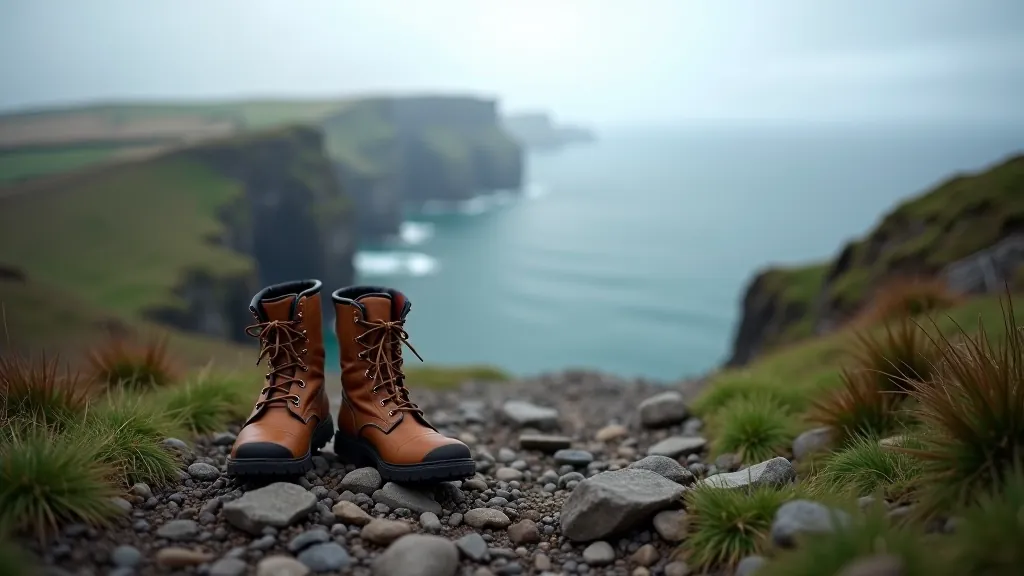
Footwear is critical. The paths are mostly well-maintained, but you'll encounter muddy sections, wet grass, and loose stones. Waterproof boots with good grip are worth the investment. Trainers will work in dry conditions, but one rain shower and you're slipping.
Water and snacks. There's a café at the visitor center, but once you're on the trail, you're carrying everything. Bring more water than you think you'll need. The wind dehydrates you faster than you'd expect. A few energy bars, some fruit — nothing fancy required.
Navigation is straightforward. The main trail is obvious. You'll see other walkers, cairns marking the path, and the cliffs themselves as a constant reference. Getting lost is genuinely difficult. If you're doing the full walk to Liscannor, you might want a basic map, but GPS or smartphone maps work fine too.
Wildlife you'll encounter: seabirds constantly — razorbills, guillemots, puffins (April–August). You might see rabbits in the grassland. No dangerous animals. The cliffs themselves host active nesting sites, especially in spring, so stick to the path and don't disturb birds.
This article provides educational information about the Cliffs of Moher trail. While we've included practical details based on experience, conditions change seasonally and weather varies. Always check current trail conditions, bring appropriate gear for the season, and make decisions based on your fitness level and comfort. The cliffs are genuine hazards — stay on marked paths, respect barriers, and supervise children carefully. In poor visibility, consider turning back rather than continuing. This information isn't a substitute for common sense and caution in a challenging environment.
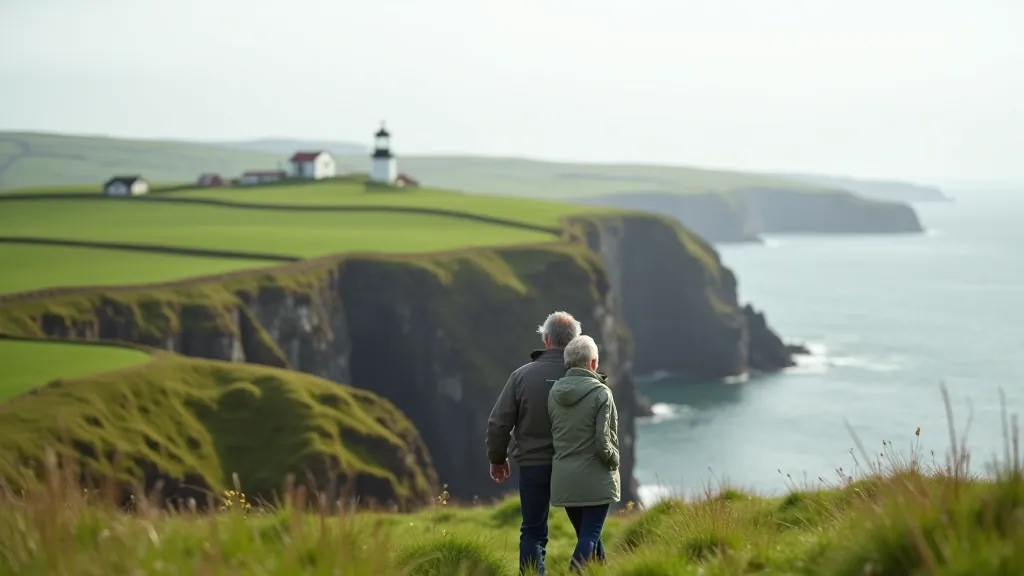
The Cliffs of Moher aren't a 20-minute photo opportunity. They're a place to spend a morning or afternoon, moving at your own pace, experiencing the raw geology and Atlantic wildness that shaped Irish history. You'll pass standing stones older than Rome. You'll watch seabirds ride updrafts off the cliff face. You'll stand on paths worn smooth by centuries of travelers.
The best part? You can customize the experience completely. Walk 4 kilometers if that's your pace. Go 8 if you're feeling stronger. Or commit to the full 14 km and experience the landscape's full range. There's no wrong choice — only the walk that fits your abilities and interests on the day you visit.
Start early, bring layers, watch the weather, and respect the cliffs. Everything else takes care of itself.