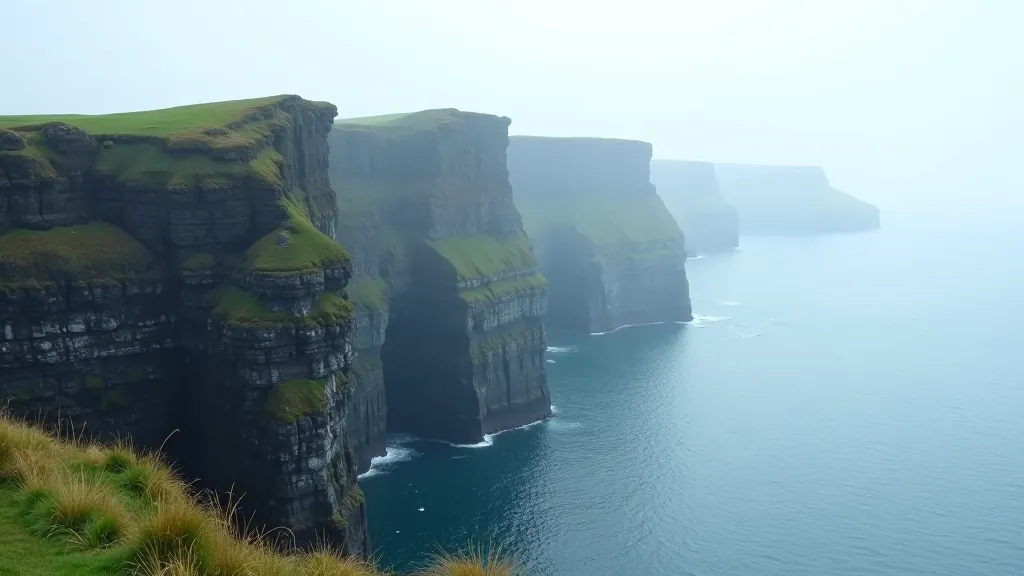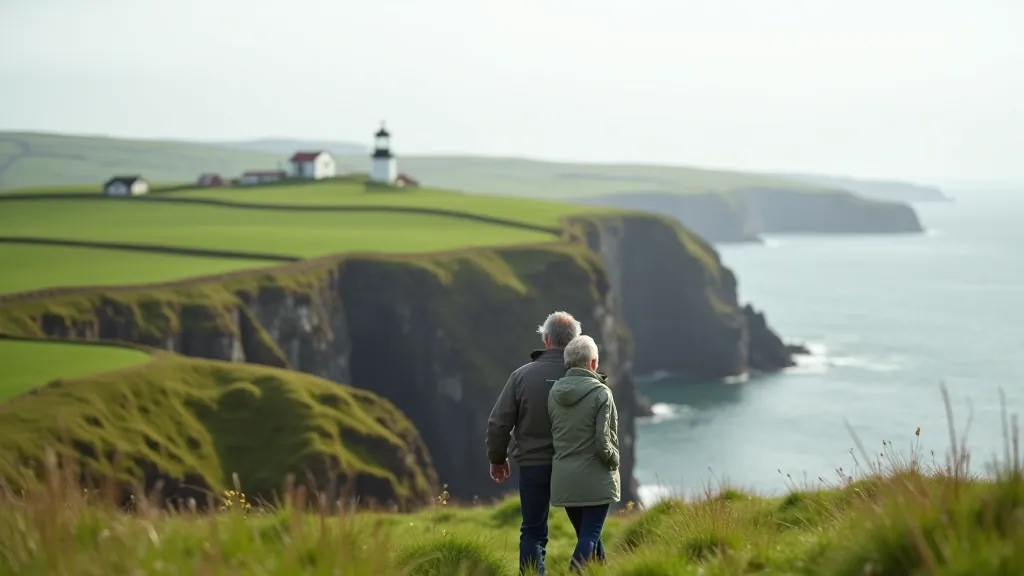
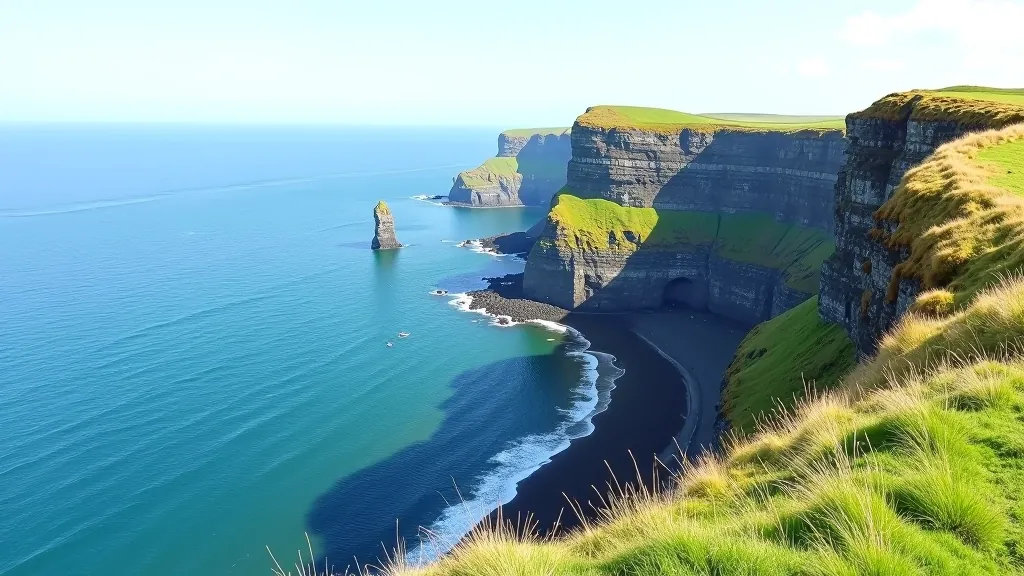
Howth Cliff Path: Dublin's Coastal Gem
A 5-6 km circular walk with panoramic views of Dublin Bay. Mostly well-maintained paths with plenty of spots to rest and take in the scenery.
A gentle 4km coastal trail perfect for retirees and leisurely walkers. Discover why this Wicklow gem's become a local favorite.
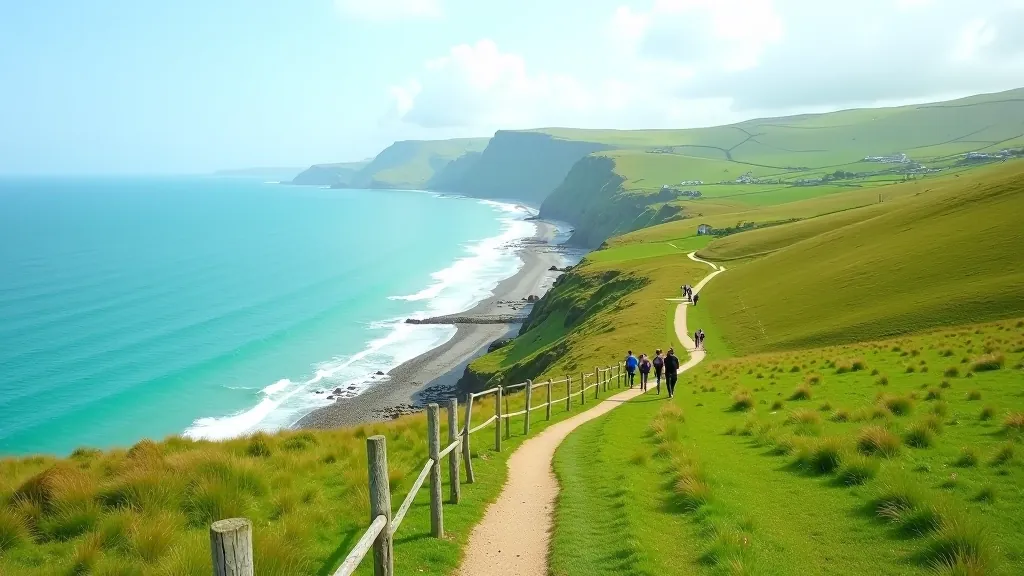

The Bray to Greystones walk isn't famous like the Cliffs of Moher, but that's exactly why you'll love it. There's no crowds, no steep climbs, and the entire route takes about 90 minutes at a relaxed pace. You get genuine seaside beauty without the exhaustion.
We've walked this trail with folks in their 60s, 70s, and beyond. It's accessible, manageable, and honestly — it's become one of our most recommended routes for anyone who wants to stay active without pushing themselves too hard.
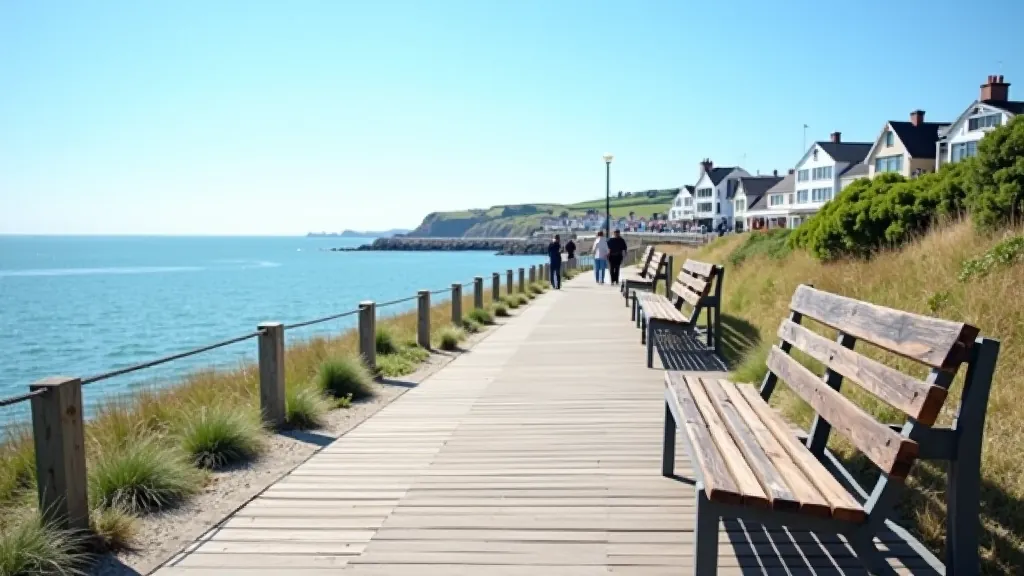
The walk starts at Bray seafront and heads south along the promenade for about 2km. You'll pass the Victorian bandstand, small beaches, and plenty of spots to rest. The path's flat, well-maintained, and you're never far from a bench or café.
Once you reach Bray Head, there's a gentle climbing option (about 15-20 minutes extra) if you're feeling up to it. Most people skip this and continue along the cliff-edge path instead. It's slightly longer but dramatically more scenic — you're walking with the sea below and green hillsides above.
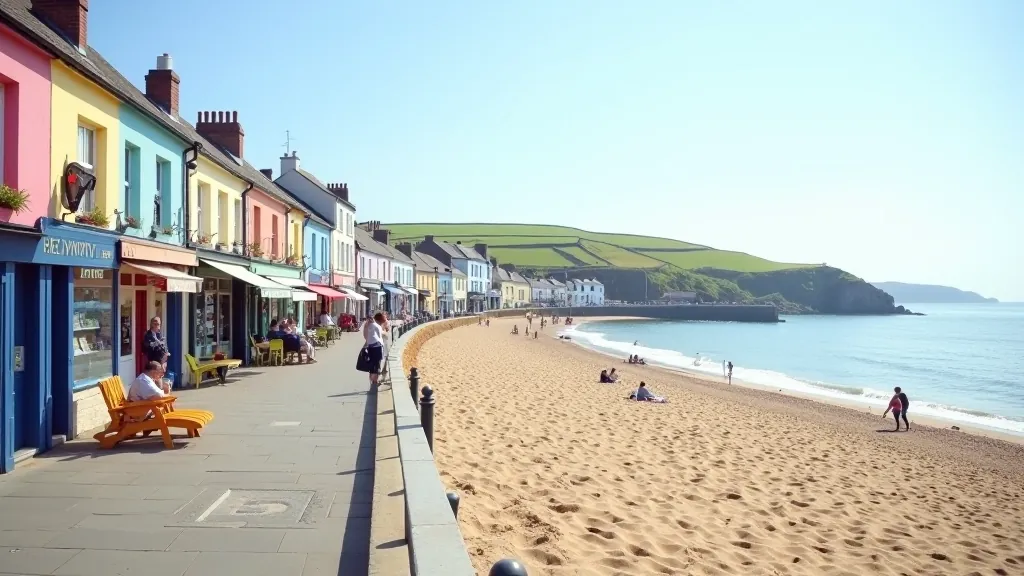
The final stretch into Greystones is pure coastal magic. Cliffside views, wind in your face, and a proper sense of achievement. You'll finish at Greystones beach where there's a lovely village with shops, restaurants, and a train station if you don't want to walk back.
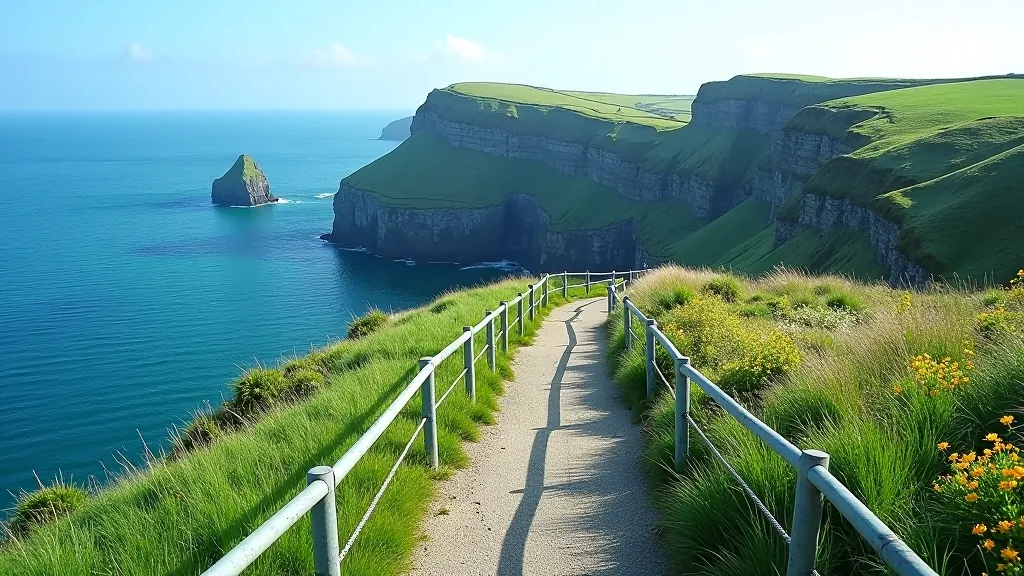
The path's mostly paved but gets uneven near the cliffs. Good walking shoes with ankle support aren't overkill. You don't need hiking boots, but trainers won't cut it either.
Coastal wind can surprise you. It's not dangerous but it can be tiring. Bring a lightweight waterproof jacket even on sunny days — the weather changes fast here.
There's a café at Bray and shops at Greystones, but nothing in between. Carry at least 500ml water and some fruit or energy bars. You'll thank yourself halfway through.
The sea reflects sunlight intensely. SPF 30+ is smart even on cloudy days. You're exposed for 90 minutes — sun protection actually matters here.
Both networks work fine along this route. It's not remote, so you're safe if anything goes wrong. Let someone know your route anyway though.
Trains run from Greystones back to Bray every 20 minutes or so. Walking back's an option but one-way's fine — saves your legs for next time.
This article is for educational purposes and describes a popular public walking route in Ireland. Conditions vary by season and weather. Always check local trail updates, wear appropriate footwear, and assess your own fitness level before attempting any walk. If you have health concerns or haven't exercised regularly, consult your doctor. Stay on marked paths and keep away from cliff edges — respect all safety barriers and signs.
Spring (April-May) and autumn (September-October) are perfect. The weather's mild, daylight lasts until 8pm-ish, and you won't be melting or freezing. Summer's crowded with tourists and can get surprisingly hot on the exposed sections.
Winter's doable if you don't mind cooler temperatures and shorter daylight. The upside? You'll have the trail mostly to yourself. Avoid walking in heavy rain or strong wind warnings — the cliffside sections get genuinely windy and slippery.
Go on a weekday morning if possible. You'll encounter fewer people and actually hear the sea properly. Weekends are fine but busier, especially around Bray.
It's not about distance or difficulty. It's about being on the coast, breathing sea air, and feeling like you've accomplished something real — without waking up sore the next day.
The Bray to Greystones walk hits that sweet spot. Challenging enough to feel worthwhile. Easy enough that you're not struggling. Scenic enough that you'll want to come back. And accessible enough that you can actually do it week after week without planning for recovery days.
You'll see the same locals every time you go — retired teachers, nurses, postal workers. They've made this their regular walk. And they're right to. It's the kind of route that becomes part of your life, not a bucket-list tick.